


On October 23, the industry exchange conference “Standards Lead, Pilot Testing Empowers: Advancing High-Quality Development of Solid-State Transformers and New-Type Power Systems” was held in Changsha, China. The event brought together experts and representatives from industry regulators, research institutions, and leading companies across the industrial value chain to explore the future development of solid-state transformers and address key challenges in engineering implementation.
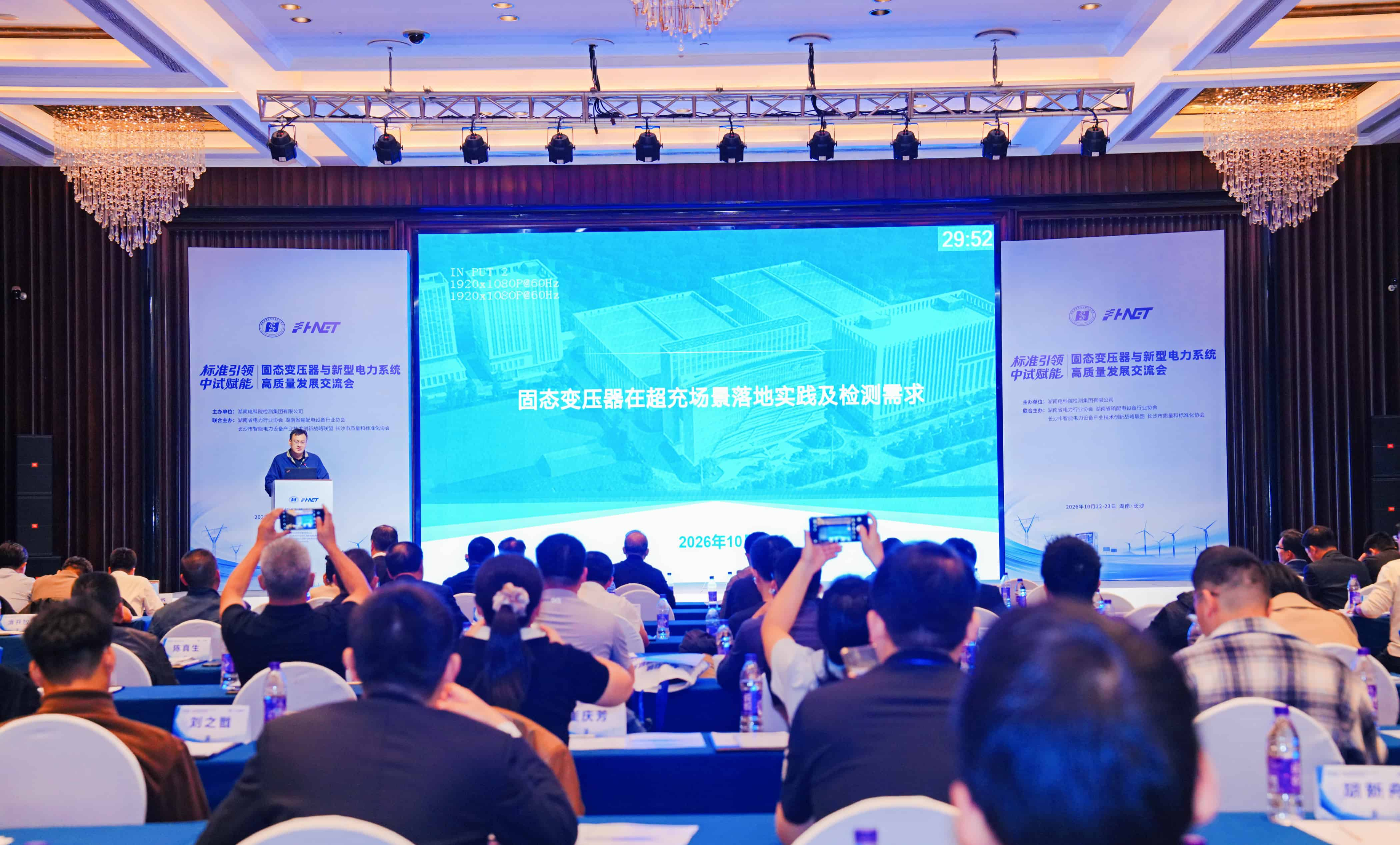
Sun Kaifa, Chief Technical Expert at Guangzhou Zhiguang Electric Technology Co., Ltd., a wholly owned subsidiary of Guangzhou Zhiguang Electric Co., Ltd. (“Zhiguang Electric”), was invited to attend the conference and deliver a presentation titled “Practical Deployment of Solid-State Transformers in Ultra-Fast Charging Applications and Testing and Validation Requirements.” He shared Zhiguang Electric’s technological advances and practical experience in applying solid-state transformers across real-world scenarios.
Addressing Four Key Challenges in Ultra-Fast Charging
Mr. Sun noted that as ultra-fast charging power rapidly scales to the megawatt and even tens-of-megawatts levels, the limitations of conventional power supply solutions are becoming increasingly apparent, making them inadequate for the needs of next-generation charging networks.
1. High Energy Conversion Losses
Conventional systems involve multiple stages of power conversion, resulting in overall efficiency losses of 7–10%, high operating and maintenance costs, and limited economic returns.
2. Bulky and Redundant System Architecture
Conventional solutions require dedicated substations and power distribution rooms, with multiple layers of equipment and heavy, thick cables. This increases the installation footprint and leads to substantial copper consumption.
3. Challenges in Grid Capacity Expansion
Demand for charging electric heavy-duty trucks and other high-power applications is surging. However, insufficient grid connection capacity and the complexity and lengthy timelines of grid upgrades make expansion difficult.
4. Inadequate Power Quality
Under no-load or light-load conditions, the power factor of charging equipment can drop to as low as 0.5, potentially exposing operators to penalties or compliance risks under grid assessment requirements.
Enabling the Upgrade to Integrated Solar-Storage-Charging Systems
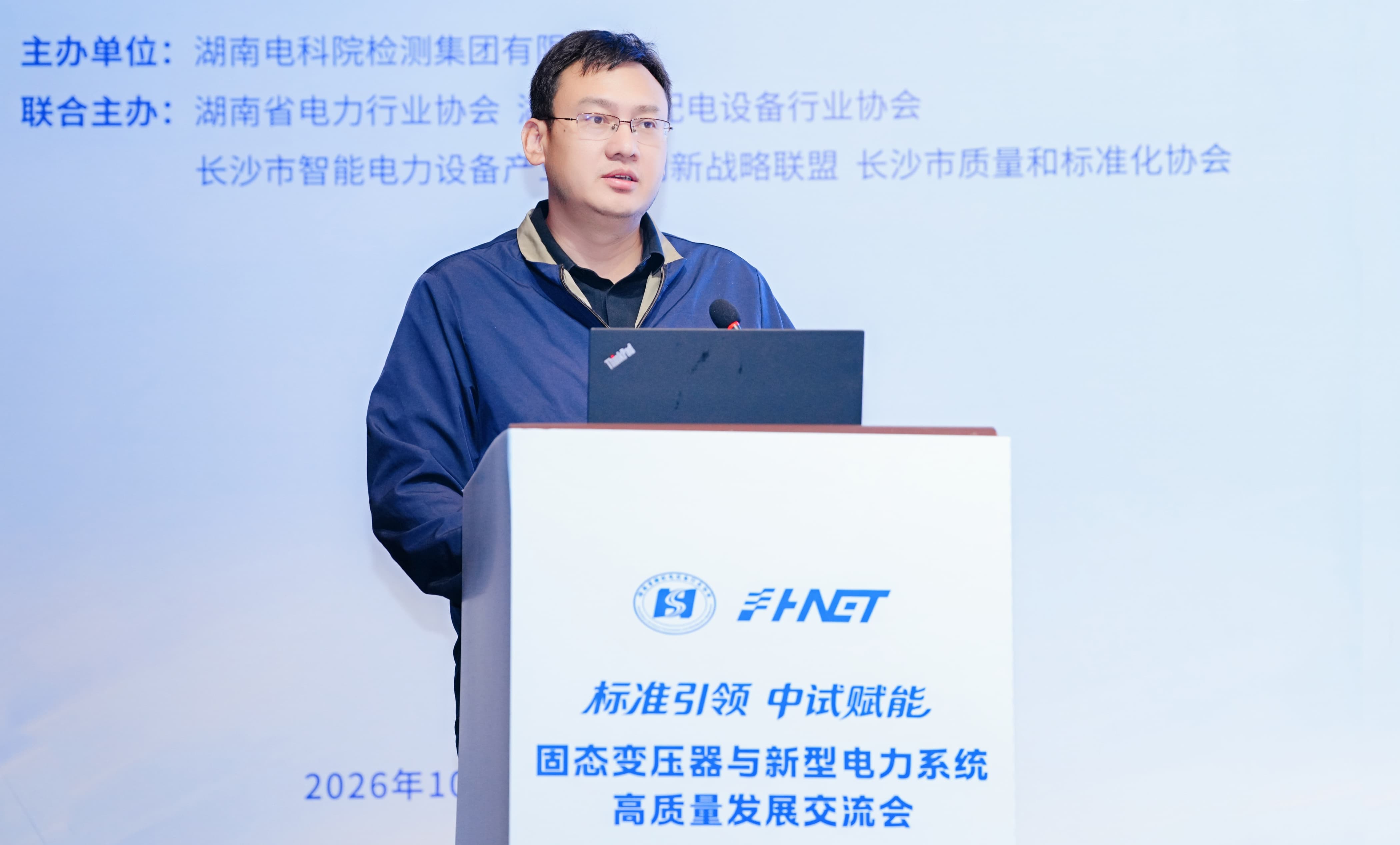
To address these industry challenges, Mr. Sun presented Zhiguang Electric’s Coota solid-state transformer solution. Built on third-generation silicon carbide (SiC) semiconductor technology and fully digital control, the product adopts a three-stage topology to replace conventional line-frequency transformers. It can connect directly to medium- and high-voltage grids at 10 kV. By combining high-frequency power conversion with advanced materials and liquid-cooling technology, the solution addresses high-frequency eddy-current losses.
The product offers rated capacities ranging from 1 MW to 4.2 MW and achieves overall system efficiency of up to 98.5%—an improvement of more than four percentage points over conventional solutions. With fewer power conversion stages and shorter deployment cycles, it reduces the installation footprint by more than 60% and copper consumption by more than 50% compared with conventional solutions.
Designed for integrated solar-storage-charging applications, Coota flexibly supports the rapid expansion of megawatt-scale ultra-fast charging stations. The technology has already been deployed and is operating reliably at Zhiguang Electric’s Coota solid-state transformer demonstration site in Huangpu, Guangzhou.
Advancing Testing and Validation Frameworks
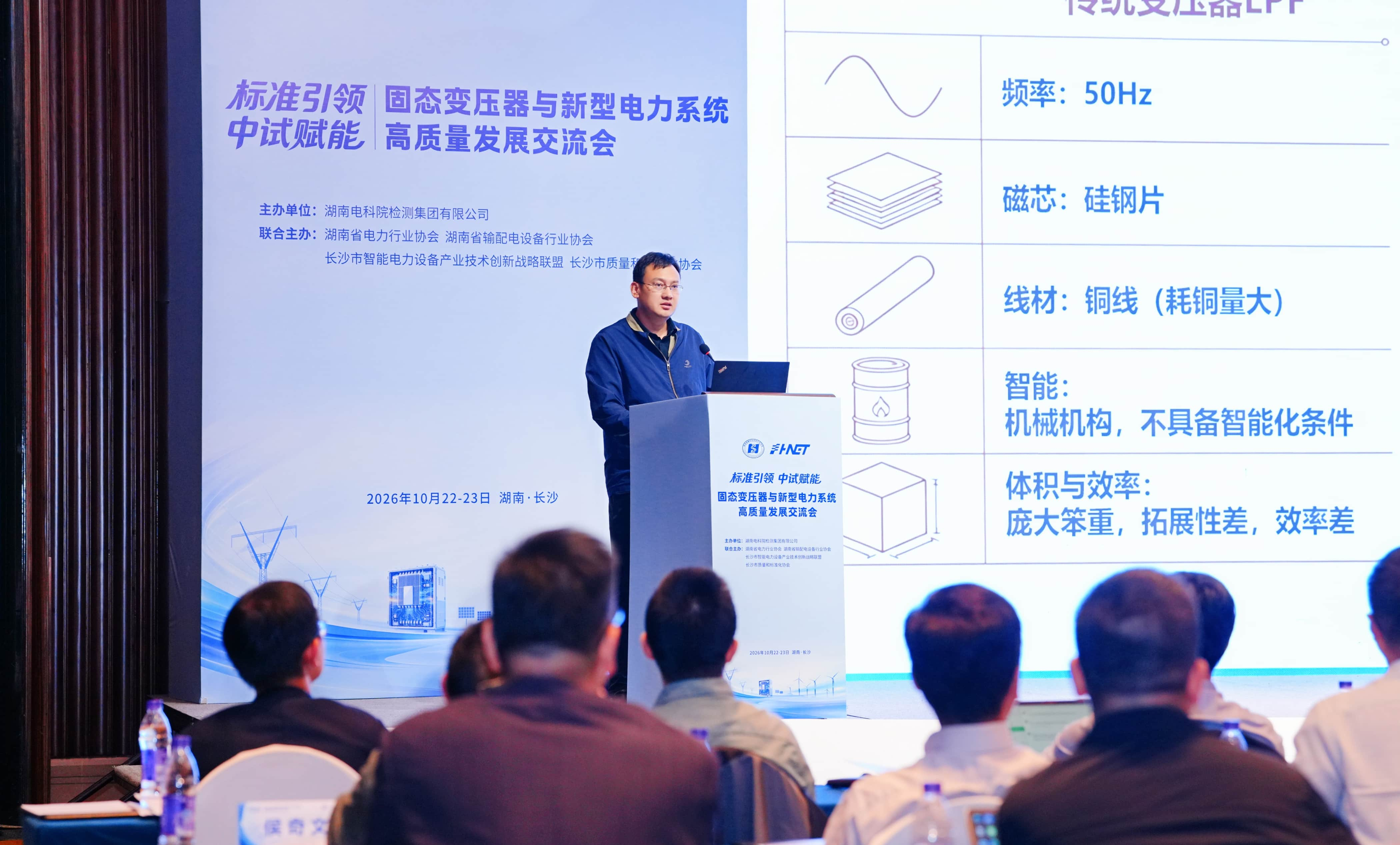
Mr. Sun emphasized that comprehensive testing standards and pilot-scale testing platforms are essential to moving solid-state transformers from prototype development to large-scale commercial deployment.
He outlined the key testing and validation requirements for solid-state transformers.
· Grid-side testing: Key areas include power quality, fault ride-through capability, frequency adaptability, and grid-forming capability under weak-grid conditions.
· Load-side testing: Validation should focus on load-carrying capability, response to sudden load changes, and steady-state DC voltage regulation accuracy, among other core output performance parameters.
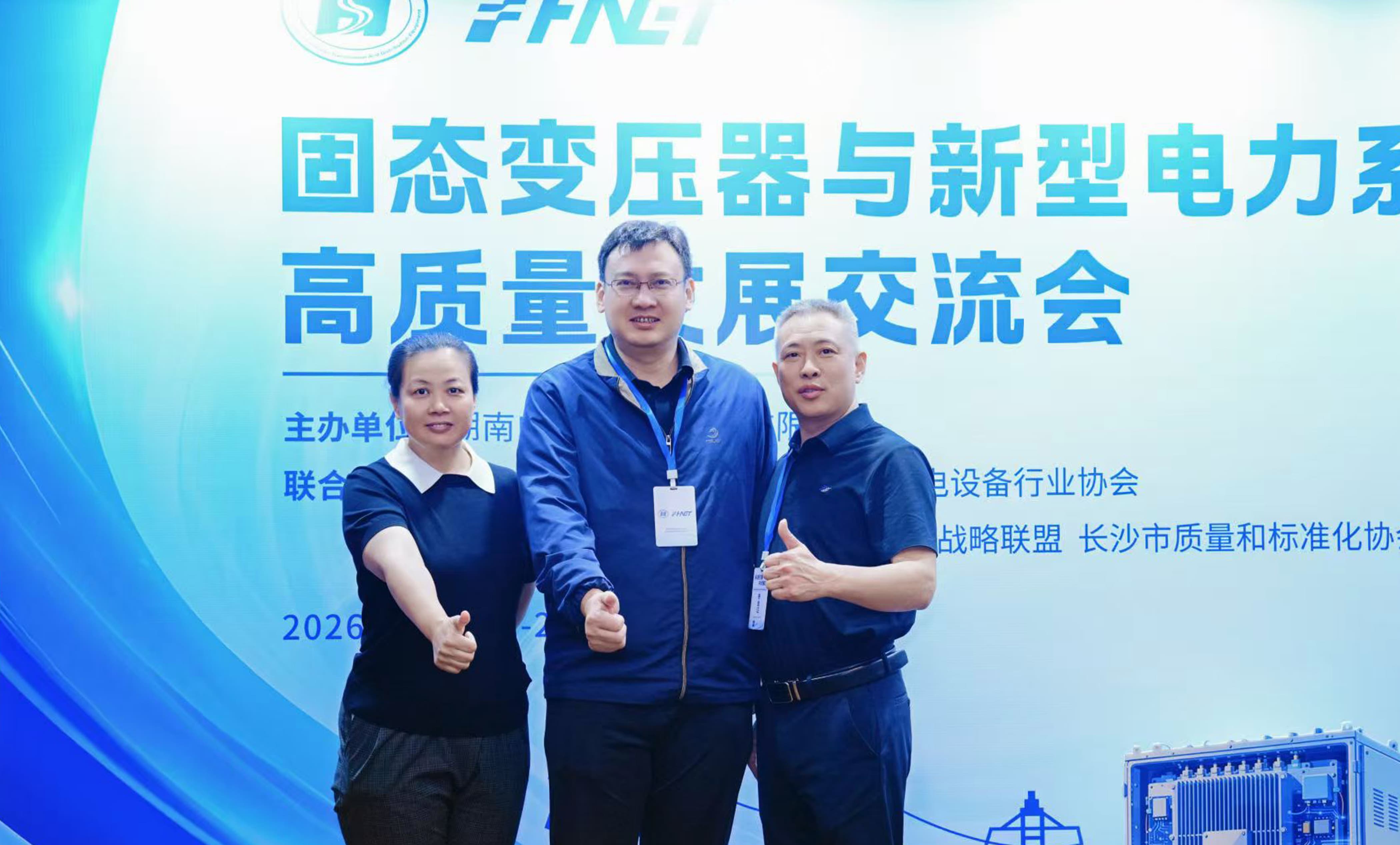
Looking ahead, Zhiguang Electric will continue to advance core solid-state transformer technologies, accelerate engineering deployment across diverse applications, and actively contribute to industry standards development and the joint establishment of pilot-scale testing capabilities. Working closely with partners across the industrial value chain, the company aims to support the development of a new-type power system.
